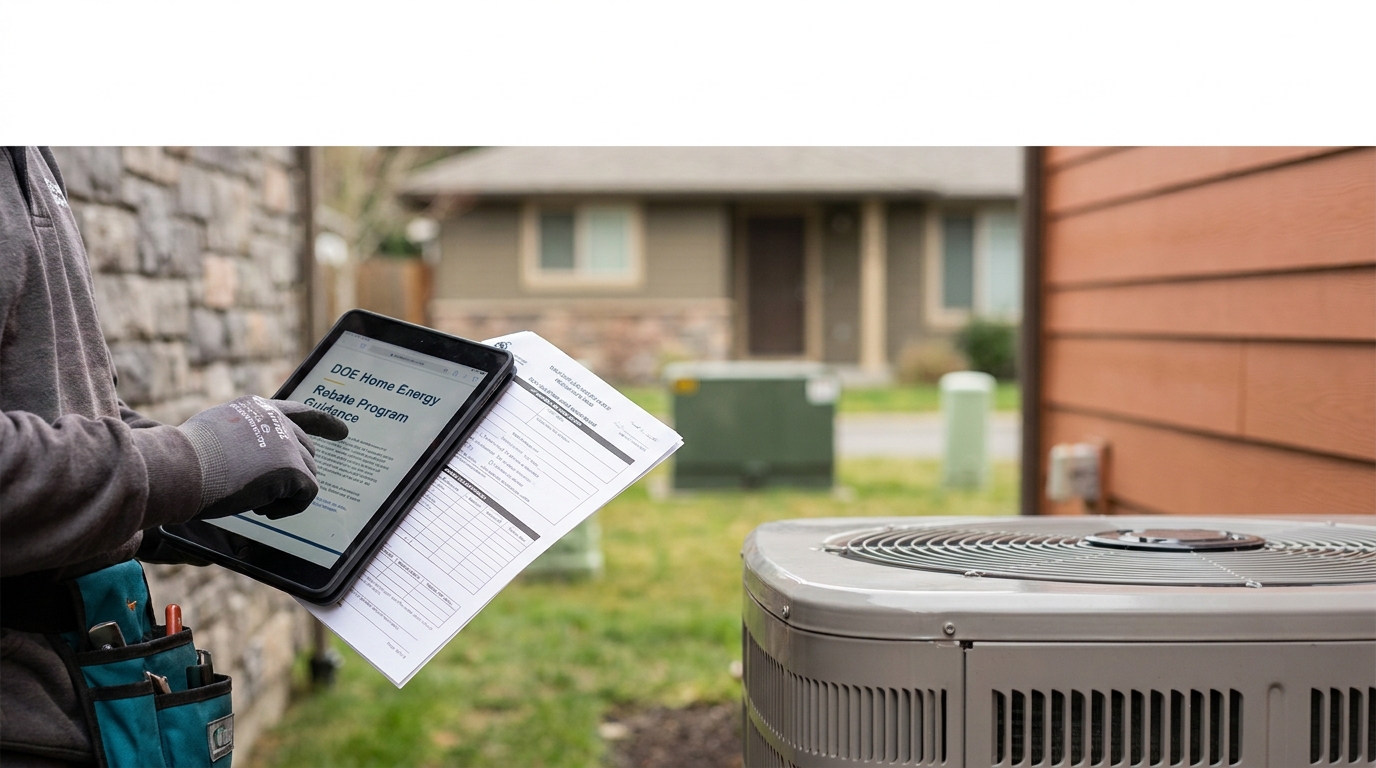
The Department of Energy (DOE) has issued revised guidance for the Inflation Reduction Act's (IRA) Home Energy Rebate Programs, specifically the Home Energy Efficiency and Electrification Rebates (HEEEHR) and the High-Efficiency Electric Home Rebate Act (HEEHRA). These updates, effective July 4, 2026, introduce new limitations on who can qualify for federal incentives when upgrading their home heating systems. The most significant change concerns homeowners currently using fossil fuel heating, such as natural gas, oil, or propane.
Under the previous interpretation, many homeowners replacing a fossil fuel furnace or boiler with an electric heat pump were eligible for substantial rebates. The new guidance clarifies that rebates are primarily intended for upgrades that improve overall home energy efficiency, rather than simply fuel switching. This means that if a homeowner's existing fossil fuel system is still functional and not deemed inefficient by specific program standards, the full extent of the federal rebate for a heat pump installation may be reduced or eliminated. This adjustment aims to prioritize deep energy retrofits and replacements of truly inefficient systems.
States and tribal governments, which administer these federal funds, will now need to adjust their program designs to align with the DOE's updated framework. This could lead to variations in how individual state programs implement the new restrictions, potentially creating a patchwork of eligibility requirements across the country. For example, a state like New York, with its ambitious electrification goals and programs like NYSERDA, may need to re-evaluate how its existing incentives interact with the revised federal guidelines to ensure continued support for fuel switching.
While the intent behind the IRA's rebates remains to accelerate home electrification and reduce carbon emissions, this revised guidance introduces a more nuanced approach to eligibility. Homeowners considering a switch to a heat pump should consult their state's specific rebate program details and potentially seek an energy audit to understand their eligibility under the new rules. The long-term impact on the pace of fossil fuel heating conversions will depend on how states adapt and whether supplementary state-level incentives can bridge any gaps created by the federal adjustments.